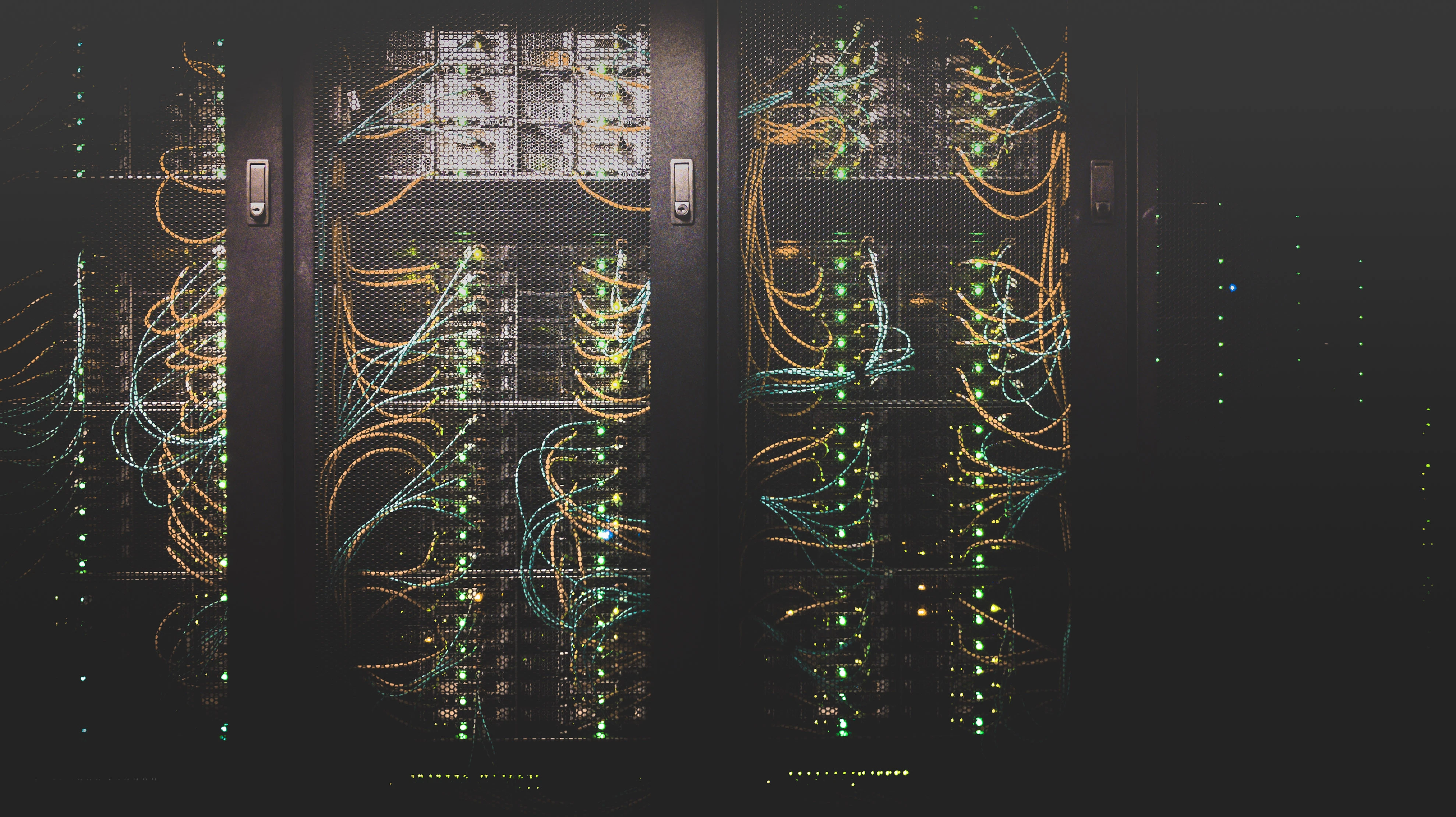
The Hidden Pulse of the Digital World
Data Centers are the beating heart of today's digital transition and storage. Unlike residential and commercial buildings, data centers require environments totally free of interruption and highly disciplined atmospheres, making their MEP (Mechanical, Electrical, and Plumbing) works a unique and advanced engineering domain.
1. Critical Power and UPS Systems
In a data center, an outage of even a fraction of a second means vital data loss and disruption of banking and telecom services. Therefore, the electrical grid is designed with High Redundancy systems, such as (2N) or (N+1) distribution.
- Central UPS Units: Provide instantaneous pure, stable power (without voltage or frequency fluctuations) via massive battery banks, keeping systems running during the seconds before generators start.
- Automatic Transfer Switches (ATS) & Generators: Take over permanent feeding of the center during total public grid failure.
- Smart PDUs (Power Distribution Units): Precisely distribute electricity to servers with thermal monitoring for every cable.
2. The Cooling Challenge: Precision Cooling
Servers consume massive power which immediately turns into concentrated heat. Unlike comfort cooling for offices which removes humidity and aims for human comfort, data centers use Computer Room Air Conditioning (CRAC / CRAH) units that:
- Strictly and continuously control temperatures to remain between 18-24°C.
- Maintain humidity levels between 40-60% to prevent condensation or static charge buildup.
- Handle heat densities multiple times that of normal rooms (up to 20 kW per rack).
Hot/Cold Aisle Containment
One of the most important modern cooling strategies is aisle containment. Cold air is pumped into a sealed aisle from which servers breathe exclusively (Cold Aisle), and hot air is exhausted into another isolated aisle (Hot Aisle) to return to the AC units. This isolation saves 30% of cooling costs.
3. Specialized Fire Suppression Systems
Using water to extinguish a fire in a data center is a disaster equal to the fire itself. Reliance is placed on Clean Agent Gas Systems (like FM-200 or Novec 1230), which leave no residue and do not damage electronic equipment, alongside Very Early Smoke Detection Apparatus (VESDA) pulling air systems.
Designing and executing Data Center MEP systems requires highly professional contractors and engineers strictly applying standards like Uptime Institute (Tier Levels) to ensure achieving (99.999% Uptime).